
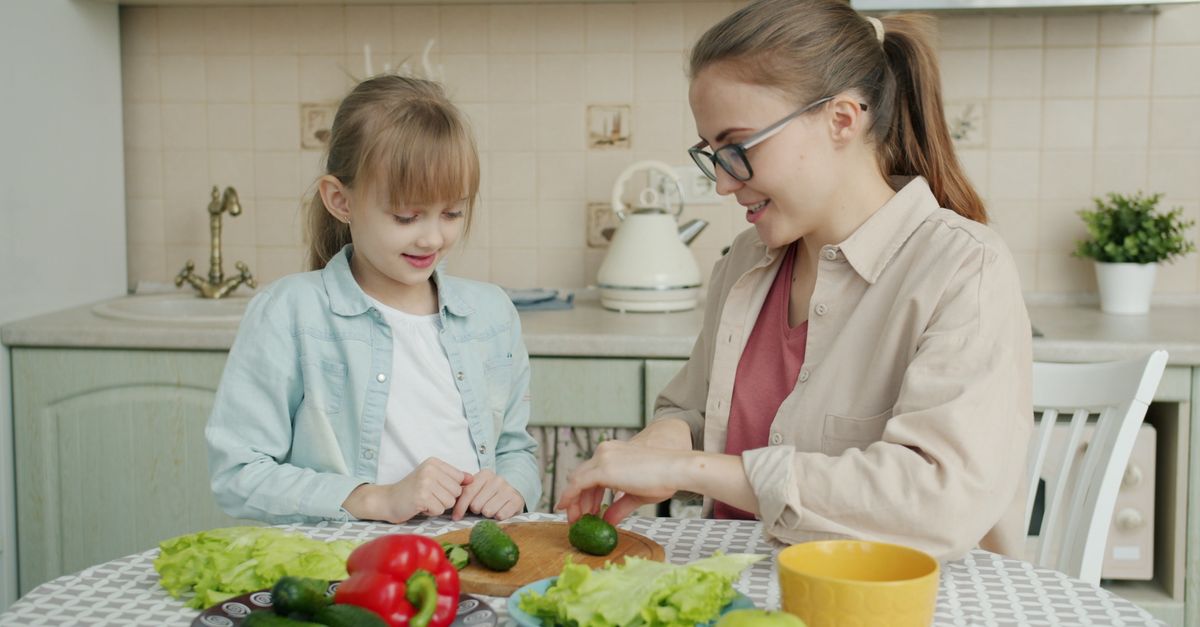
It is 6:30 in the evening. Homework is unfinished, someone has practice in an hour, and the refrigerator looks like a puzzle. Drive-through dinners start to feel like the only option. If that sounds familiar, you are far from alone, and you are not failing. Healthy eating for a busy family is less about perfection and more about a few dependable habits that make the better choice the easier one.
Why Family Eating Habits Matter
Food shapes energy, mood, concentration and long-term health. Diets high in ultra-processed foods, sugary drinks and excess sodium are linked with higher risks of obesity, type 2 diabetes, high blood pressure and heart disease in adults. In children, eating patterns formed early often carry into adulthood. Research also suggests that families who share meals more regularly tend to eat more fruits and vegetables and fewer sugary drinks.
These patterns affect everyone in the household, from toddlers to grandparents. The good news is that small changes, repeated consistently, add up.
Start With a Simple Plate
You do not need to count calories to build a balanced meal. A helpful visual is to fill about half the plate with vegetables and fruit, a quarter with lean protein such as fish, chicken, eggs or beans, and a quarter with whole grains such as brown rice, oats or whole-wheat tortillas. Add a small amount of healthy fat, like olive oil, avocado or nuts.
Traditional family dishes can fit this pattern well. Beans, rice, roasted vegetables, grilled fish and fresh fruit are all easy building blocks. Adjusting proportions often matters more than changing the whole menu.
Healthy eating for a busy family is less about perfection and more about a few dependable habits that make the better choice the easier one.
Plan Ahead Without Overdoing It
Planning is the single most helpful habit for time-pressed households. It does not require a color-coded spreadsheet. Spend ten minutes on the weekend deciding on a few dinners, checking what you already have, and writing a short grocery list. Shopping with a list reduces impulse buys and last-minute takeout.
Batch cooking helps too. Roast a tray of vegetables, cook a pot of beans or grains, and grill extra chicken. Those pieces can become bowls, wraps, soups or salads across several days.
Practical Tips You Can Start This Week
- Pick two or three dinners for the week and repeat them often.
- Wash and cut vegetables once, then store them where everyone can see them.
- Cook a double batch and freeze half for a hectic night.
- Keep fruit on the counter and cut vegetables at eye level in the fridge.
- Make water the default drink at home and in lunch bags.
- Let children choose one vegetable at the store each week.
Smarter Snacks and Drinks
Snacks can quietly supply a large share of a child’s daily calories. Choose options that combine fiber and protein so they last longer: apple slices with peanut butter, yogurt with fruit, whole-grain crackers with cheese, hummus with vegetables, or a handful of unsalted nuts for older children. Sugary drinks, including soda, sweetened teas and many juices, are among the easiest items to cut. Water, or milk for children, is a better everyday choice.
Handling Picky Eaters and Hectic Nights
Children often need to see a new food many times before accepting it. Offer small portions without pressure, eat the same foods yourself, and involve kids in washing, stirring or choosing. Avoid using dessert as a reward, since it can raise the status of sweets.
On the busiest nights, a “good enough” meal is still a win: scrambled eggs with vegetables, a rotisserie chicken with a bagged salad, or whole-grain pasta with frozen vegetables. Frozen and canned produce are nutritious options; look for low-sodium or no-added-sugar versions.
When to Ask for Professional Guidance
Some situations call for personal advice, including food allergies, unexplained weight changes, digestive problems, diabetes or prediabetes, high blood pressure or cholesterol, or concerns about a child’s growth or eating. A one-size-fits-all plan rarely fits everyone. If you have questions about what is right for your family, our primary care team in Hialeah, FL is here to talk with you. Call (786) 542-1882 or visit us at 5341 W 20th Ave, Hialeah, FL 33012.