
Physical Therapy vs Pain Medication for Back Pain: Which Is Right for You?
Both approaches have a place. Here is how they compare so you can talk through the decision with a clinician.
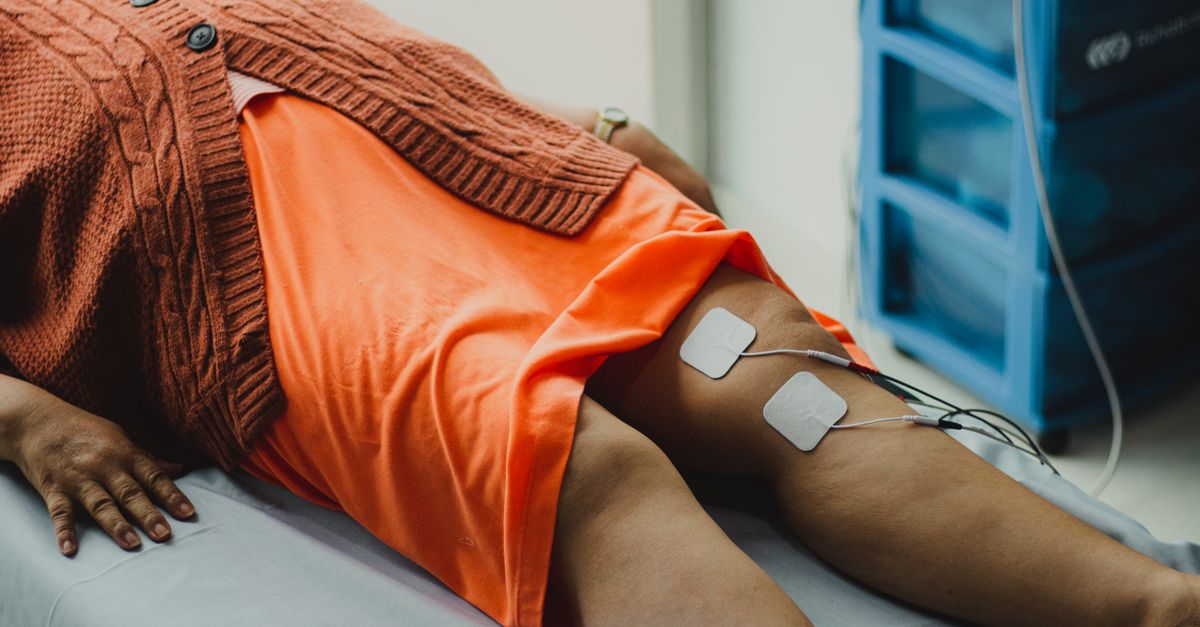
Side-by-Side Comparison
Physical Therapy for Back Pain
Physical therapy uses guided exercise, stretching, hands-on techniques and education to improve strength, flexibility and how you move. Clinical guidelines commonly recommend active, non-drug approaches as a first step for many types of low back pain.
A typical candidate has pain lasting beyond a few weeks, recurring episodes, or pain tied to posture, lifting or sitting. Expect an assessment first, then a plan with exercises you repeat at home. Early sessions may feel challenging, and gains tend to be gradual.
The main advantage is durability: building strength and movement habits may lower the chance of the pain returning.
Pain Medication for Back Pain
Options range from over-the-counter anti-inflammatories and acetaminophen to prescription muscle relaxants or other drugs. They can take the edge off pain so that daily activities and gentle movement become easier.
A typical candidate has a recent flare-up or acute strain and needs short-term relief. Evidence suggests medications offer modest benefit for many people, and they treat symptoms rather than the underlying cause.
Expect to review your other medications, conditions and risks with a clinician, and to use the lowest effective dose for the shortest time needed.
How to Decide
Choose physical therapy if...
- Your pain has lasted more than a few weeks or keeps returning
- Pain worsens with certain movements, posture or weak core muscles
- You want to reduce the chance of future episodes
- You prefer to avoid or limit medication
- You can commit to regular sessions and home exercises
Choose pain medication if...
- Your pain is recent and intense, and you need short-term relief
- Pain is limiting your ability to start moving at all
- You need a bridge while you begin exercise-based care
- Your clinician has confirmed medication is safe for your health history
- Your schedule makes frequent visits difficult for now
For many people, a combination works best. A clinician can help tailor the plan to you.
Frequently Asked Questions
Can I use physical therapy and pain medication together?
Yes. Many people use short-term medication to make movement more comfortable while they begin physical therapy. Your clinician can help you plan the combination and limit how long medication is needed.
How long does physical therapy take to work?
Some people notice changes within a few weeks, while others need longer. Consistency with home exercises matters a great deal, and timelines depend on the cause and severity of your pain.
Is it safe to take pain medication long term for back pain?
Long-term use of many pain medications carries risks, such as stomach, kidney, cardiovascular or dependence concerns. Talk with a clinician before using any medication regularly for more than a short period.
When should I see a doctor before trying either option?
Seek prompt care for back pain after a significant injury, or with numbness or weakness in the legs, fever, unexplained weight loss, or loss of bladder or bowel control. These can signal a more serious problem.
How do I know which option is right for me?
It depends on the cause, how long you have had pain, your health history and your goals. An evaluation with a primary care clinician is a good first step to sort through the choices.
Not sure which path fits your back pain?
Ven A Verte Medical Center is in Hialeah, FL. Call (786) 542-1882 or reach out online.
Discuss Your Options