Hearing the words “you have type 2 diabetes” can feel overwhelming. Many people worry about what they will have to give up, or whether they somehow caused it. Here is the encouraging truth: type 2 diabetes is a condition you can manage, and the daily choices you make have real power. With steady habits and good support, many people live full, active lives.
What Is Type 2 Diabetes?
Type 2 diabetes is a long-term condition in which the body does not use insulin well, a problem called insulin resistance. Insulin is the hormone that helps move sugar (glucose) from your blood into your cells for energy. When it does not work properly, sugar builds up in the bloodstream. Over time, high blood sugar can damage blood vessels and nerves throughout the body.
Who Does It Affect?
Type 2 diabetes is common, and it can affect adults of many backgrounds and, increasingly, younger people too. Risk factors include a family history of diabetes, excess weight, limited physical activity, high blood pressure, a history of gestational diabetes, and increasing age. Hispanic and Latino adults in the United States have a higher risk than the general population, which makes awareness especially important in communities like Hialeah.
Many people have no symptoms early on. When symptoms appear, they can include increased thirst, frequent urination, tiredness, blurry vision, slow-healing sores, and tingling in the hands or feet. A simple blood test is the only way to know for sure.
Why Managing It Matters
Blood sugar that stays high for years can contribute to heart disease, stroke, kidney disease, nerve damage, eye problems and foot complications. The good news is that these risks go down when blood sugar, blood pressure and cholesterol are kept in a healthy range.
Small, steady habits often do more for blood sugar than dramatic short-term changes.
What the Research Shows
Large studies, including the U.S. Diabetes Prevention Program, have shown that modest weight loss of about 5 to 7 percent of body weight, combined with regular physical activity, can substantially lower the risk of developing diabetes in people with prediabetes. For people who already have type 2 diabetes, research shows that improved eating patterns, exercise and medication when needed can lower A1C, a measure of average blood sugar over about three months. Some people even reach remission with significant lifestyle change, though this should always be guided by a clinician.
Small, steady habits often do more for blood sugar than dramatic short-term changes. Consistency matters more than perfection.
Practical Steps for Everyday Life
You do not need to change everything at once. Pick one or two habits, practice them, and add more over time.
- Build meals around vegetables, lean protein, beans and whole grains.
- Move your body most days, even a 10-minute walk after meals helps.
- Take medicines as prescribed and ask before changing any dose.
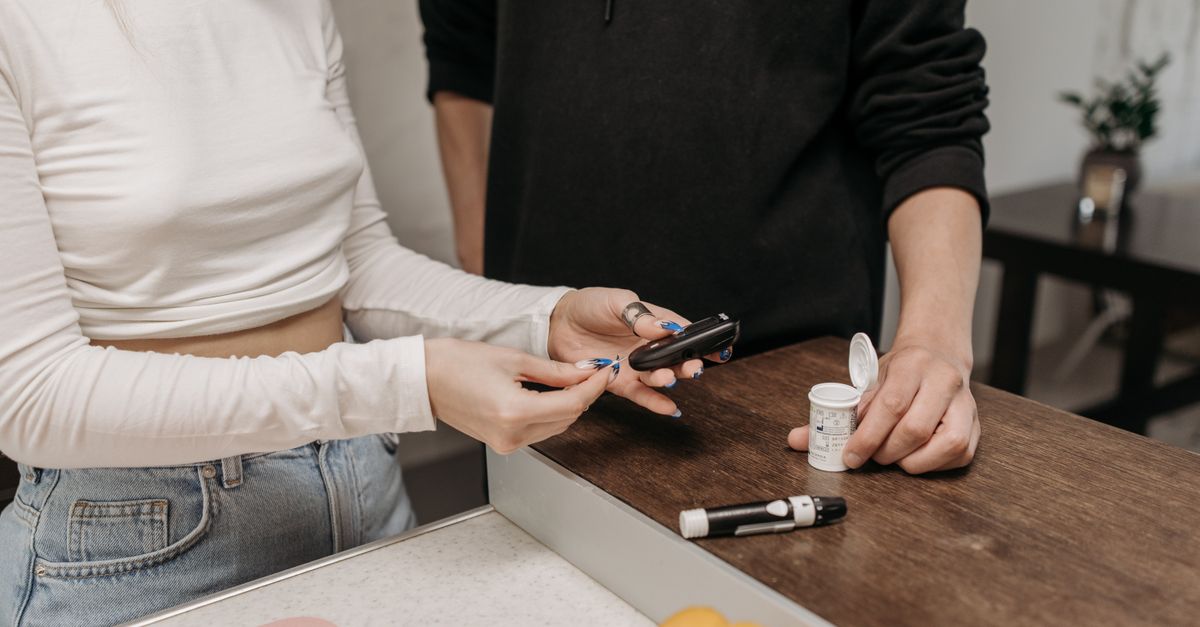
- Check your blood sugar as your clinician recommends and write down the results.
- Look at your feet every day for cuts, blisters or color changes.
- Keep up with eye exams, kidney tests and blood pressure checks.
- Prioritize sleep and find ways to manage stress.
Food Without Fear
No single “diabetes diet” fits everyone. Most people do well by balancing carbohydrates across the day, choosing fiber-rich foods, and limiting sugary drinks and heavily processed snacks. You can still enjoy traditional foods and family meals. Portion size, pairing carbohydrates with protein or vegetables, and noticing how your body responds all make a difference.
Emotional Health Counts Too
Living with a chronic condition can bring frustration, fatigue or worry. This is sometimes called diabetes distress, and it is common. Talking openly with your clinician, family and friends can lighten the load. Let your care team know if you feel low or burned out so they can help.
Get Support From Your Care Team
Type 2 diabetes is best managed in partnership with a primary care clinician who knows you over time. If you have symptoms, risk factors, or questions about your blood sugar, we invite you to contact Ven A Verte Medical Center in Hialeah at (786) 542-1882. Together we can talk through your goals and build a plan that fits your life.