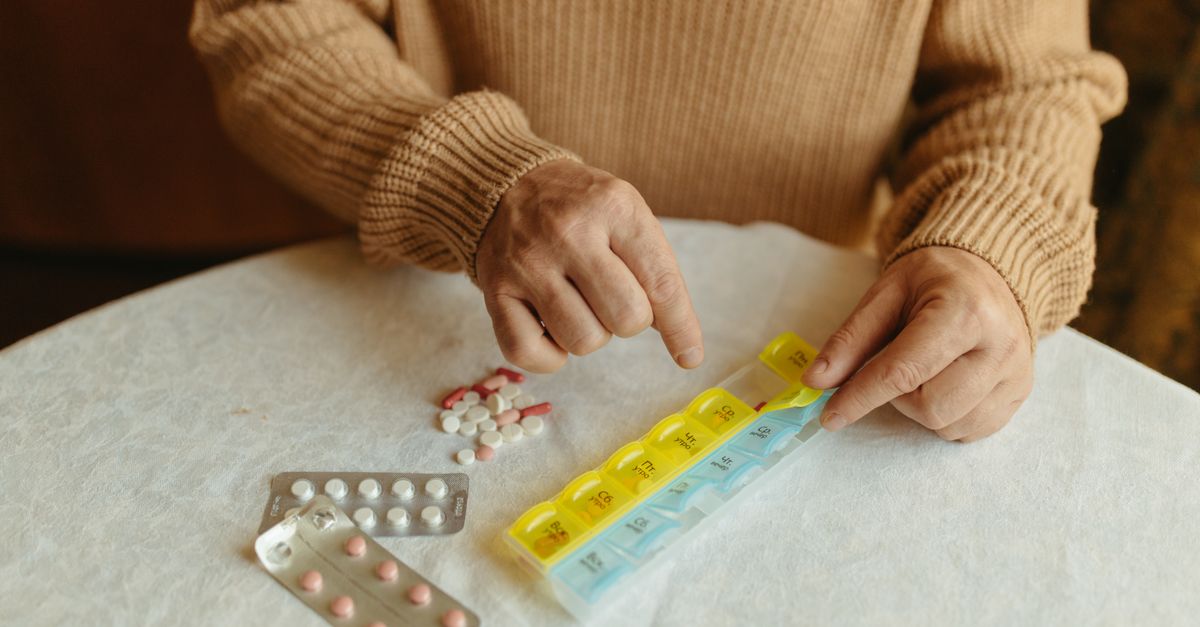
Most of us have stood in the kitchen at night, squinting at a pill bottle and wondering whether we already took today's dose. It is a small moment, but medication mistakes are among the most common and most preventable causes of harm in health care. The good news is that a few steady habits can protect you and the people you love.
Why medication safety matters
Medicines can ease pain, control blood pressure, manage diabetes and treat infections. Yet any medicine can cause harm when it is taken in the wrong amount, at the wrong time, or alongside something it should not be mixed with. Public health agencies in the United States report that adverse drug events send many people to emergency departments each year, and a large share are considered preventable. Safety is not about fear; it is about knowing what you take and why.
Who is most at risk
Anyone can have a medication problem, but some people face higher risk. Adults who take several medicines, often called polypharmacy, have more chances for interactions. Older adults may process drugs more slowly. Children need doses based on weight, so measuring carefully is essential. People with kidney or liver conditions, those who are pregnant or breastfeeding, and anyone seeing several different clinicians should be especially careful.
Everyday habits that protect you
These simple steps are supported by widely shared patient safety guidance:
- Keep one up-to-date list of every medication, vitamin and supplement you take.
- Bring that list, or the bottles themselves, to every appointment.
- Use one pharmacy when possible so interactions can be spotted.
- Read the label each time you take a dose, even for familiar medicines.
- Never share prescriptions or use leftover pills from an old illness.
- Ask before stopping a medication, even if you feel better.
Safety is not about fear; it is about knowing what you take and why.
Watch for interactions, including over-the-counter products
Many people forget that pain relievers, cold remedies, antacids, herbal products and vitamins count as medicines. Some combinations raise risk. For example, taking more than one product that contains acetaminophen can lead to an accidental overdose, and certain anti-inflammatory pain relievers can affect blood pressure, the stomach and the kidneys. Grapefruit, alcohol and some supplements such as St. John's wort can change how prescription drugs work. When in doubt, ask a pharmacist or your clinician before adding anything new.
Questions worth asking
Do not hesitate to speak up at an appointment or the pharmacy counter. Good questions include:
- What is this medicine for, and how will I know it is working?
- When and how should I take it, with or without food?
- What side effects are common, and which ones need a call right away?
- Does it interact with my other medicines, supplements or alcohol?
- What should I do if I miss a dose?
Storage and disposal
Store medicines in a cool, dry place away from bathroom humidity and direct sun, and keep them out of reach of children and pets. Leave pills in their original labeled containers. Check expiration dates regularly. For unused or expired medicines, look for a pharmacy take-back program or follow the disposal directions on the label or from the FDA, rather than leaving them in a drawer where someone could take them by mistake.
When to get help
Call for medical help if you notice a rash, swelling, trouble breathing, severe dizziness, confusion or other symptoms after starting a medicine. In an emergency, call 911. If you suspect a poisoning or overdose, contact Poison Control at 1-800-222-1222 right away. For routine concerns, such as side effects that bother you or confusion about a prescription, reach out before changing anything on your own.
If you live in or near Hialeah, FL and would like to talk through your medicines, Ven A Verte Medical Center can help you review them as part of your primary care. Call us at (786) 542-1882 or visit us at 5341 W 20th Ave, Hialeah, FL 33012.