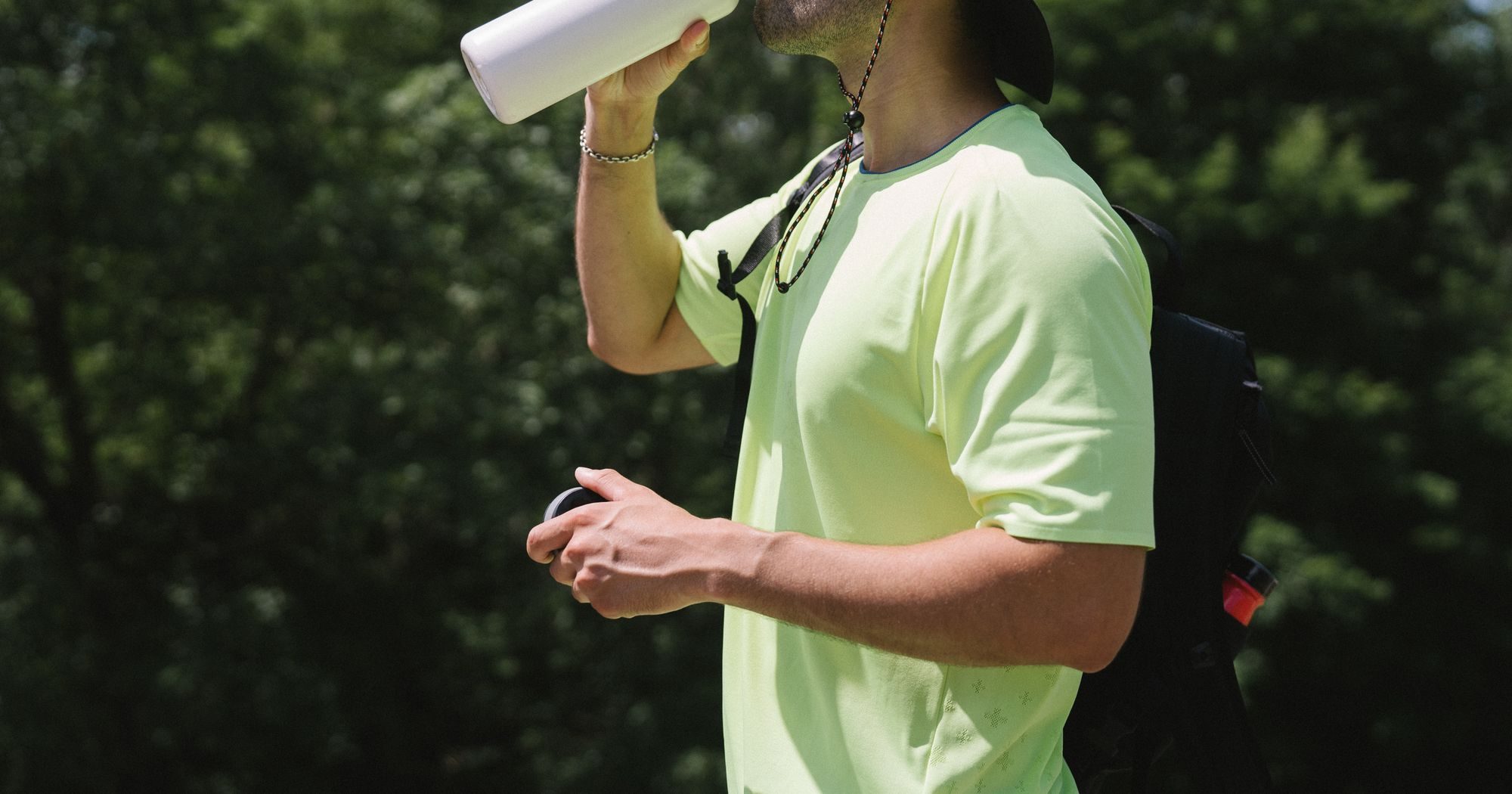
It starts quietly. A little headache after an afternoon outside, a tired feeling you cannot explain, a mouth that feels dry no matter what. In the long, humid summers of South Florida, it is easy to brush these off as part of the heat. But they can be your body asking for fluid, and learning to hear that request early can keep a hot day from turning into a health scare.
What Dehydration Actually Is
Dehydration happens when your body loses more fluid than it takes in. Water makes up a large share of body weight, and it supports circulation, temperature control, digestion and joint comfort. In hot weather, you lose fluid through sweat, and that sweat also carries electrolytes such as sodium and potassium. When the losses are not replaced, the body has to work harder to keep blood pressure and temperature steady.
Early Signs to Watch For
Mild to moderate dehydration often shows up in small ways. Noticing them early gives you time to act.
- Thirst and a dry or sticky mouth
- Darker yellow urine, or noticeably less urine than usual
- Headache or a feeling of heaviness in the head
- Fatigue, low energy, or trouble concentrating
- Muscle cramps, especially in the legs
- Lightheadedness when standing up
Urine color is a handy everyday check. Pale straw color usually suggests good hydration, while dark yellow or amber suggests you need more fluid.
Signs That Need Urgent Attention
Severe dehydration, and heat-related illness such as heat exhaustion or heat stroke, can be dangerous. Seek emergency care right away for confusion, fainting, a rapid heartbeat, rapid breathing, very little or no urine, sunken eyes, extreme weakness, or a high body temperature with hot, flushed skin. Persistent vomiting or diarrhea that keeps you from holding down fluids also needs prompt medical attention. If you are unsure, it is safer to call for help than to wait.
Who Is More Vulnerable
Anyone can become dehydrated, but some people face higher risk:
- Older adults, whose sense of thirst may be weaker and whose bodies hold less water
- Infants and young children, who lose fluid quickly and cannot ask for a drink
- People who work or exercise outdoors
- People with diabetes, kidney disease or heart conditions
- Those taking medicines that increase urination, such as some diuretics for blood pressure
- Anyone recovering from a stomach illness or fever
If you take regular medications or manage a chronic condition, ask your doctor how much fluid is right for you, since needs differ from person to person.
What the Research Tells Us
Studies have found that even mild fluid loss can affect mood, concentration, and physical performance. Public health agencies, including the Centers for Disease Control and Prevention, advise drinking fluids regularly during hot weather and not waiting for thirst. They also note that during long periods of heavy sweating, water alone may not be enough, and a drink or food that provides some salt and electrolytes can help. There is no single number of glasses that fits everyone, because needs depend on age, size, activity, health conditions and climate.
Practical Ways to Stay Hydrated
- Drink water steadily through the day instead of waiting until you are thirsty
- Carry a water bottle and refill it often
- Plan outdoor activity for earlier or later, cooler parts of the day
- Eat water-rich foods such as watermelon, oranges, cucumber and berries
- Wear light, loose, breathable clothing and a hat
- Limit alcohol and heavily sweetened drinks, which can work against hydration
- Rest in shade or air conditioning when you feel overheated
If you already feel symptoms, move to a cool place, sip fluids slowly, and rest. Gulping large amounts at once can upset the stomach.
When to Talk With a Doctor
If you often feel drained in the heat, get frequent headaches or cramps, or worry that a medication or health condition makes you more prone to dehydration, a conversation with a primary care doctor can help. Together you can build a plan that fits your daily life. Dr. Javier Puentes and the team at Ven A Verte Medical Center serve the Hialeah community at 5341 W 20th Ave. Call (786) 542-1882 to ask about your concerns.