One awkward step, one fall, one hard session at the gym, and suddenly the body you trusted feels like a stranger. Everyday tasks such as carrying groceries or climbing stairs can feel daunting. If you are healing from an injury, you are not alone, and the frustration you feel is completely understandable. The good news is that the body is built to adapt, and strength can return when you give it the right conditions.
Why Strength Fades After an Injury
When a muscle, joint or bone is hurt, we naturally protect it. Rest is important at first, but muscles that go unused weaken quickly. Research on immobilization shows that muscle size and strength can decline within days to weeks of reduced use. Pain can also change how the nervous system activates muscles, so even areas that are not injured may feel weaker or less coordinated.
This is why recovery is about more than waiting for tissue to heal. It also means retraining movement, confidence and capacity.
Who Is Affected
Anyone can face this process: a weekend athlete with a sprained ankle, an older adult recovering from a fall, a worker with a strained back, or a parent who hurt a shoulder lifting a child. Age, overall health, sleep, nutrition, stress and the type of injury all influence how quickly strength returns. Chronic conditions such as diabetes can also slow healing, which is one reason a whole-person approach matters.
The Stages of Rebuilding
Most recoveries move through overlapping phases. Knowing them can make the road feel less uncertain.
Protect and calm. In the first days, the goal is to limit further damage and manage swelling and pain. Your clinician may recommend short-term rest, support or other measures depending on the injury.
Restore motion. As irritation settles, gentle range-of-motion work helps prevent stiffness. Movement should be controlled and should not sharply increase pain.
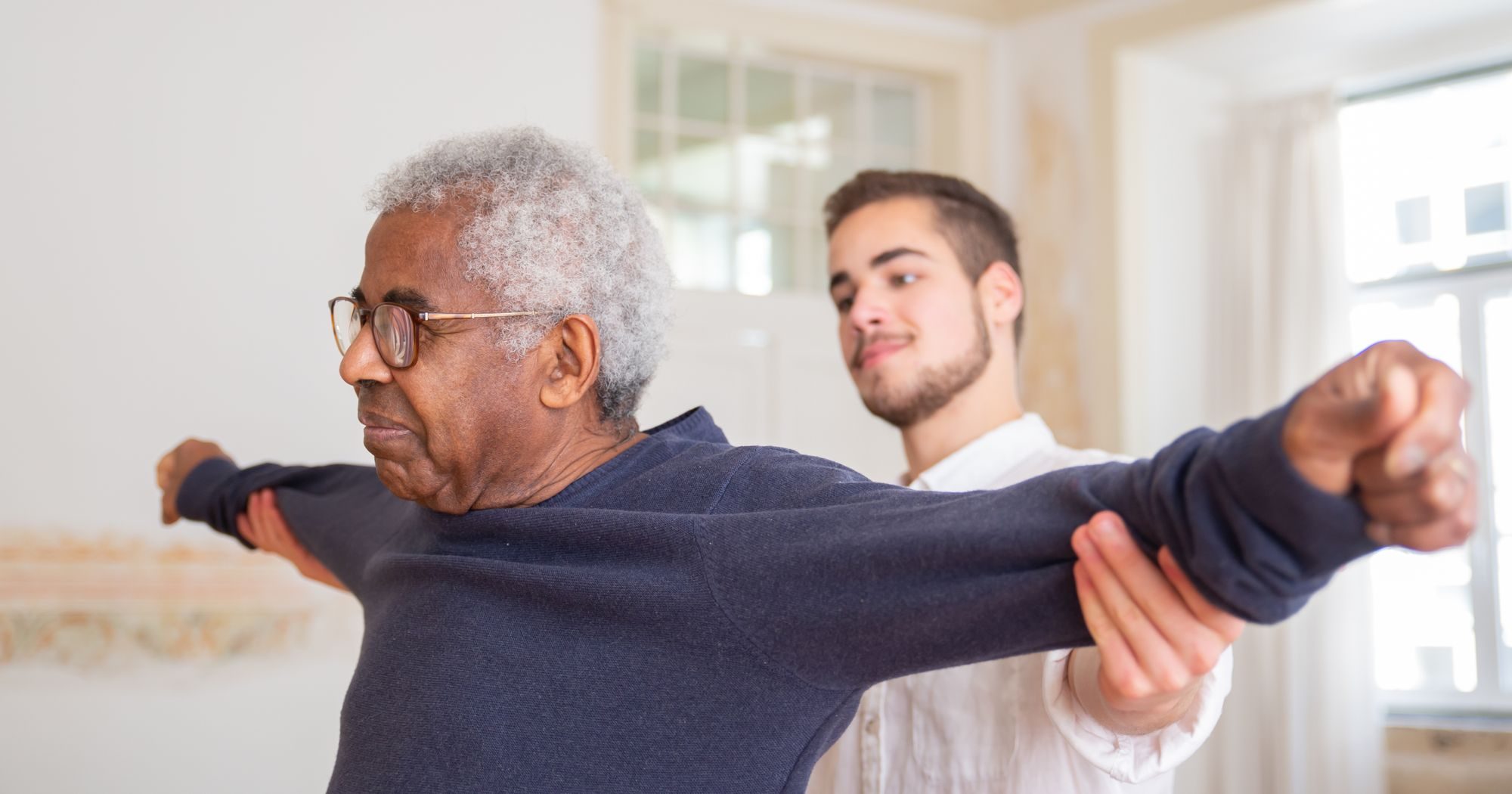
Build strength. Progressive resistance, using body weight, bands or light weights, signals the tissue to become stronger. Studies on rehabilitation consistently support gradual loading for tendons, muscles and bones.
Return to activity. Finally, you practice the real movements of your life or sport, building endurance, balance and confidence.
Practical Tips for Safer Progress
- Start with gentle, pain-tolerable movement once your clinician says it is safe.
- Increase load, repetitions or time by small steps rather than big jumps.
- Train both sides of the body, including the muscles around the injured area.
- Protect sleep, eat enough protein and stay hydrated.
- Track your symptoms so you can see real progress and spot setbacks early.
Support Your Body From the Inside
Healing is an energy-demanding process. Adequate protein supports muscle repair, and research suggests that spreading protein through the day may help. Sleep is when much tissue repair and hormone regulation occurs, so consistent rest is not a luxury. Managing stress, avoiding tobacco and reviewing medications with your clinician can also make a difference. Some medicines and health conditions affect healing, so it helps to have someone who looks at the full picture.
When to Seek Professional Help
Pushing through sharp pain is not a sign of toughness, and it can lead to setbacks. Contact a clinician if you notice:
- Pain that is getting worse instead of gradually improving
- Significant swelling, numbness, tingling or a joint that gives way
- Little progress after several weeks of careful effort
- Fear of movement that keeps you from daily activities
Seek urgent care right away for severe pain, an obvious deformity, chest pain, or any injury with sudden loss of function.
You Do Not Have to Do This Alone
Regaining strength takes patience, and some days will feel slower than others. That is normal. A thoughtful plan, steady effort and the right guidance can help you get back to the things you love. If an injury is holding you back, our team at Ven A Verte Medical Center in Hialeah, FL is here to talk through your concerns. Call (786) 542-1882 to start the conversation.