
Many of us book a doctor only when something hurts. Life is busy, and when you feel fine, a checkup can seem like one more thing to postpone. Yet the quiet months when nothing seems wrong are exactly when a conversation with your primary care doctor can do the most good. An annual physical is not a test you pass or fail. It is a chance to look at the whole picture of your health, catch small concerns early and build a relationship with someone who knows you.
What Is an Annual Physical Exam?
An annual physical, sometimes called a wellness visit or routine checkup, is a preventive appointment focused on your overall health rather than a single complaint. Your doctor reviews your history, checks your vital signs, performs a hands-on exam and talks with you about screenings, vaccines and lifestyle. The goal is to find risks before they become problems and to keep existing conditions well managed.
Who Should Have One?
Adults of nearly every age can benefit from regular preventive care. The right schedule depends on your age, your family history and any chronic conditions. Some healthy younger adults may not need a full exam every single year, while people managing high blood pressure, diabetes, heart disease or multiple medications often benefit from closer follow-up. Your doctor can help you decide what rhythm makes sense for you.
What Happens During the Visit
Although every visit is tailored to the patient, most physicals include several familiar steps.
Health history review. You will talk about past illnesses, surgeries, medications, allergies, family history, sleep, diet, exercise, stress and mood. Be candid. Information about alcohol, tobacco, sexual health and emotional well-being helps your doctor give better guidance, and it stays confidential.
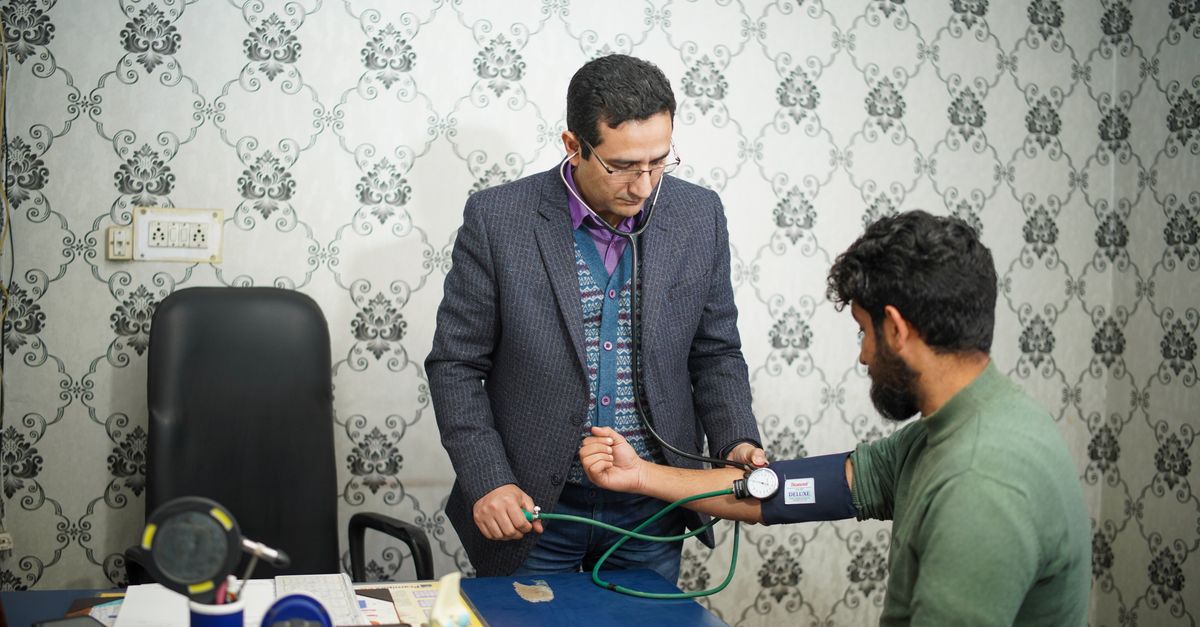
Vital signs. A nurse or doctor usually measures blood pressure, heart rate, temperature, height and weight. Blood pressure is especially important because high readings often cause no symptoms for years.
Physical examination. Your doctor may listen to your heart and lungs, check your abdomen, look at your eyes, ears, mouth and throat, feel your neck and lymph nodes, and assess your skin, joints, reflexes and balance. Additional exams may be recommended based on your age and sex.
Screenings and lab work. Depending on your risk factors, your doctor may suggest blood tests such as cholesterol and blood sugar, along with screenings for conditions like colon, breast, cervical or prostate cancer when appropriate for your age.
An annual physical is not a test you pass or fail.
Why Preventive Care Matters
Public health research consistently shows that many serious conditions, including hypertension, type 2 diabetes, high cholesterol and several cancers, are easier to treat when found early. Guidance from groups such as the U.S. Preventive Services Task Force supports screening for many of these conditions in appropriate age groups. Vaccines and counseling on nutrition, activity, tobacco and alcohol also lower risk over time. Just as important, regular visits let your doctor notice gradual changes in your numbers, weight or mood that you might not see yourself.
How to Prepare
A little preparation helps you get more from the time you have together.
- Write down your symptoms, concerns and questions before you arrive.
- Bring a list of every medication and supplement you take, with doses.
- Gather past records, vaccine history and any recent test results.
- Note your family history of heart disease, cancer, diabetes and other conditions.
- Wear comfortable clothing that is easy to move in.
Ask your doctor whether you should fast before the visit, since some blood tests require it. If you are unsure, it is fine to call the office ahead of time.
Questions Worth Asking
Use the visit to speak up. You might ask which screenings are due, whether your blood pressure or cholesterol are in a healthy range, if your vaccines are current, and how to improve sleep, energy or stress. If something has been worrying you, even something that feels embarrassing, say so. Doctors hear these concerns every day and want to help.
After the Exam
Before you leave, make sure you understand any next steps: lab results to expect, referrals, medication changes or follow-up visits. Small, realistic goals, such as a daily walk or an extra serving of vegetables, tend to work better than sweeping changes. Keep notes so you can track progress by your next visit.
If it has been a while since your last checkup, there is no better time than now to start. To talk with Ven A Verte Medical Center in Hialeah, FL about primary care, call (786) 542-1882 or visit us at 5341 W 20th Ave, Hialeah, FL 33012.