Post-Injury Rehabilitation Treatment in Hialeah
Recovering from an injury takes more than waiting for pain to fade. At Ven A Verte Medical Center in Hialeah, FL, we build a clear, step-by-step primary care plan to help you restore strength, movement, and confidence.
Understanding Post-Injury Rehabilitation
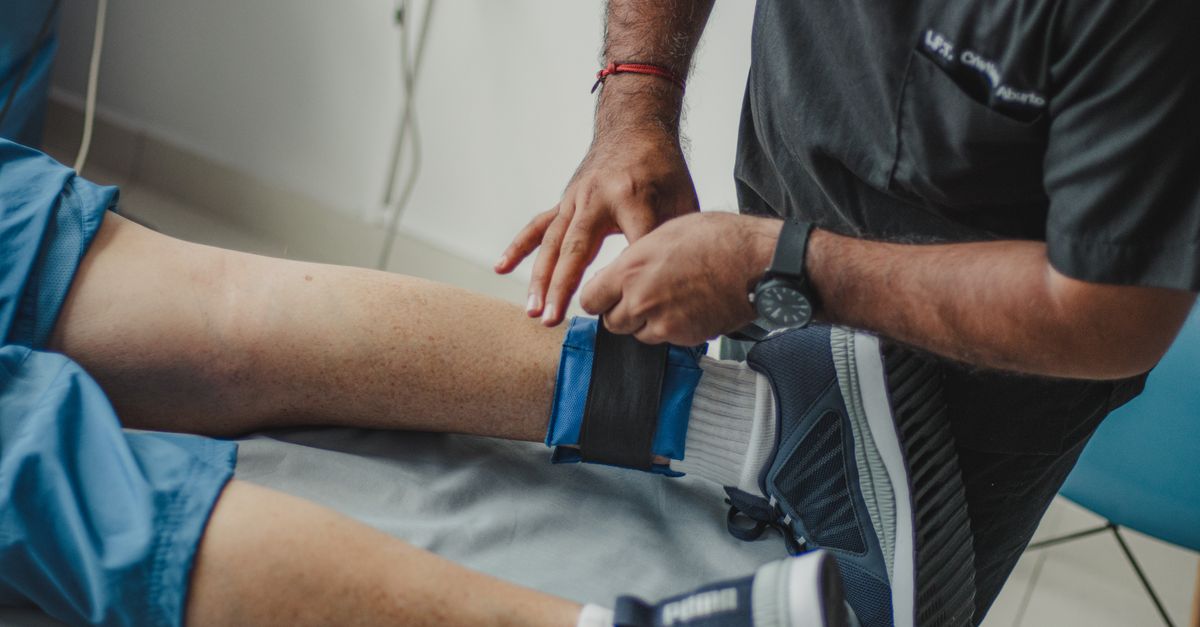
Post-injury rehabilitation is the structured process of restoring function after damage to muscles, tendons, ligaments, bones, joints, or nerves. It applies to injuries from car accidents, falls, sports, workplace incidents, and everyday mishaps, as well as recovery after surgery. Musculoskeletal injuries are among the most common reasons people seek medical care, and they can affect work, sleep, family responsibilities, and the activities that make life enjoyable. Without a good recovery plan, a short-term injury can turn into long-term stiffness, weakness, or pain.
Many factors shape how well and how quickly someone heals. The type and severity of the injury matter most, but age, activity level, body weight, smoking, diabetes, poor sleep, and nutrition also play a role. Returning to activity too soon, or avoiding movement for too long, can both slow recovery. Previous injuries, repetitive physical work, and weak supporting muscles raise the chance of re-injury or of developing chronic problems. In South Florida, an active, outdoor lifestyle and physically demanding jobs make these considerations especially relevant.
Professional guidance matters because the right loading at the right time helps tissue heal stronger, while the wrong approach can cause setbacks. A clinician can confirm the diagnosis, identify warning signs such as nerve injury or blood clots, set safe goals, and adjust your plan as you improve. Primary care also looks at the whole person, including other conditions, medications, sleep, and stress, which all influence recovery. A coordinated plan helps you return to daily life with fewer complications.
Signs & Symptoms of Post-Injury Rehabilitation
- Persistent pain. Aching or sharp pain in the injured area that lingers beyond the expected healing period.
- Stiffness. Reduced range of motion in a joint or muscle group, especially after rest.
- Weakness. Difficulty lifting, gripping, or bearing weight the way you did before the injury.
- Swelling. Ongoing puffiness or warmth around the injured tissue after activity.
- Poor balance. Feeling unsteady or favoring one side while walking or standing.
- Fatigue with activity. Tiring quickly during tasks that used to feel easy.
- Compensation habits. Limping or altered posture that strains other joints and muscles.
- Fear of movement. Hesitation to use the injured area because you worry about re-injury.
What to Expect
- A physical exam checks pain, strength, range of motion, and stability
- Goals are set based on your job, family, and activities
- Guided exercises and activity changes, increased gradually
- Progress reviews with plan updates and referrals when needed
- Follow-up focused on preventing re-injury
How We Treat Post-Injury Rehabilitation
Assessment
We review how the injury happened, your medical history, medications, and current limitations. A physical exam checks pain, strength, range of motion, and stability. If needed, we discuss imaging or other tests to confirm the diagnosis.
Treatment Plan
Together we set goals based on your job, family, and activities. Your plan outlines safe movement, home exercises, and any medication or referrals that make sense. We explain each step so you know what to do and why.
Ongoing Care
We follow your progress, adjust exercises, and watch for setbacks. As you improve, activity is increased gradually. Follow-up helps prevent re-injury and supports a lasting return to normal life.
Benefits
A Personalized Care Plan
Your recovery plan reflects your injury, your health, and your goals rather than a generic handout.
Unhurried Time to Ask Questions
We want you to understand your diagnosis and each step, so questions are always welcome.
Coordinated Follow-Up
We track your progress, adjust the plan, and help connect you with other providers when needed.
Your Treatment Journey
First Evaluation (Week 1)
We review your injury, examine the affected area, and discuss goals. You leave with a clear understanding of the diagnosis, early steps, and what to avoid.
Treatment Begins (Weeks 2-4)
You start guided exercises and activity changes. Some soreness is normal, but pain should not sharply worsen. Early progress is often gradual.
Progress Review (Months 2-3)
We measure improvement in motion, strength, and function, then update your plan. If progress has stalled, we reassess and consider additional testing or referral.
Long-term Management
Once you are functioning well, we focus on preventing re-injury and keeping you strong. Recovery from significant injuries can take longer, and that is okay.
Warning Signs That Need Prompt Care
Severe or worsening pain. Pain that intensifies despite rest and basic care needs prompt evaluation.
Numbness or tingling. Altered sensation can signal nerve involvement.
Visible deformity. An abnormal shape or position of a limb or joint may indicate a fracture or dislocation.
Inability to bear weight. Not being able to stand or walk on the limb needs timely assessment.
Joint instability. A joint that gives way or locks suggests ligament or cartilage damage.
Redness, heat, or fever. These may point to infection, particularly after surgery or open wounds.
Calf pain or swelling. One-sided leg swelling after immobilization can signal a blood clot and requires urgent care.
No improvement over weeks. Stalled progress means the plan should be reassessed.
If you recognize these signs, help is available. Early treatment leads to better outcomes.
Evidence-Based Rehabilitation Approach
Evidence-based rehabilitation commonly combines relative rest and protection early on, followed by progressive therapeutic exercise for mobility, strength, balance, and endurance. Short-term measures such as ice, compression, elevation, bracing, or supportive devices may be used when appropriate. Pain control may include acetaminophen or anti-inflammatory medicines when safe for you, and we weigh risks based on your health history. When an injury needs more specialized care, such as physical therapy, orthopedics, or advanced imaging, we help coordinate referrals. Education on posture, body mechanics, and gradual return to activity is a key part of every plan.
Why Choose Ven A Verte Medical Center for Post-Injury Rehabilitation Treatment
Find us at 5341 W 20th Ave, Hialeah, FL 33012, or call (786) 542-1882.
Common Questions About Post-Injury Rehabilitation
How long does post-injury rehabilitation take in Hialeah?
It depends on the type and severity of the injury, your overall health, and how consistently you follow your plan. Minor sprains and strains may improve over several weeks, while fractures, surgeries, or complex injuries can take several months. We discuss a realistic timeline after your evaluation and adjust it as you progress.
Is medication required for rehabilitation?
Not always. Many people recover mainly through guided exercise, activity changes, and education. Medication, such as short-term pain relievers or anti-inflammatory options, may be considered when appropriate for your health history. We talk through the benefits and risks with you.
Does insurance cover post-injury rehabilitation?
Coverage varies by plan and by the services involved. We do not list accepted plans here, so please call (786) 542-1882 and our team can talk with you about your questions.
What if the first treatment does not work?
Recovery is rarely a straight line. If you are not improving as expected, we reassess the diagnosis, review your activity and home routine, and change the plan. When needed, we can coordinate imaging or referral to a specialist.
When should I start rehabilitation after an injury?
Gentle, appropriate movement often begins early, but timing depends on the injury. Some injuries need a period of protection first. A clinician should guide when and how to progress so you do not set back healing.
Can I return to work or sports during rehabilitation?
Often yes, with modifications. We help you plan a gradual return that respects tissue healing, and we explain which activities to avoid until you are ready.
Get Help for Post-Injury Rehabilitation Today
You don't have to face Post-Injury Rehabilitation alone. We are ready to help.
Schedule an Appointment